Building slowly in a hurried age
On patience as a design principle, from the planning file to the building site.
Ali Siddique
Almost everything about building now is in a hurry. Programmes are compressed, fees are cut, decisions are pushed later and then made overnight. Clients need certainty quickly, contractors need drawings yesterday, and the planning system sometimes feels designed to wear everyone down. In that climate, it can seem strange to argue for patience. But I have come to think it is one of the most practical design principles there is.
Patience is not slowness
Patience is not the same as being slow. It is about giving each decision the time it actually needs, no more and no less, and not making the big ones in a rush simply because the diary says so. A project that spends an extra fortnight getting its massing right can save months later on. A project that skips that fortnight often pays for it for years.
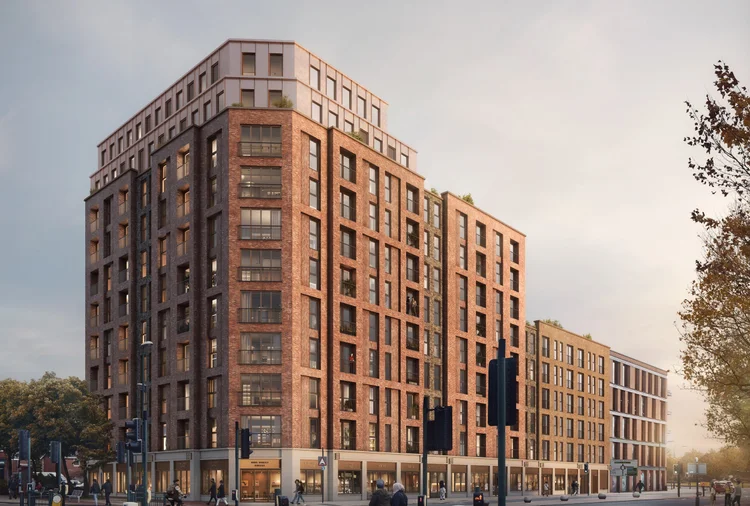
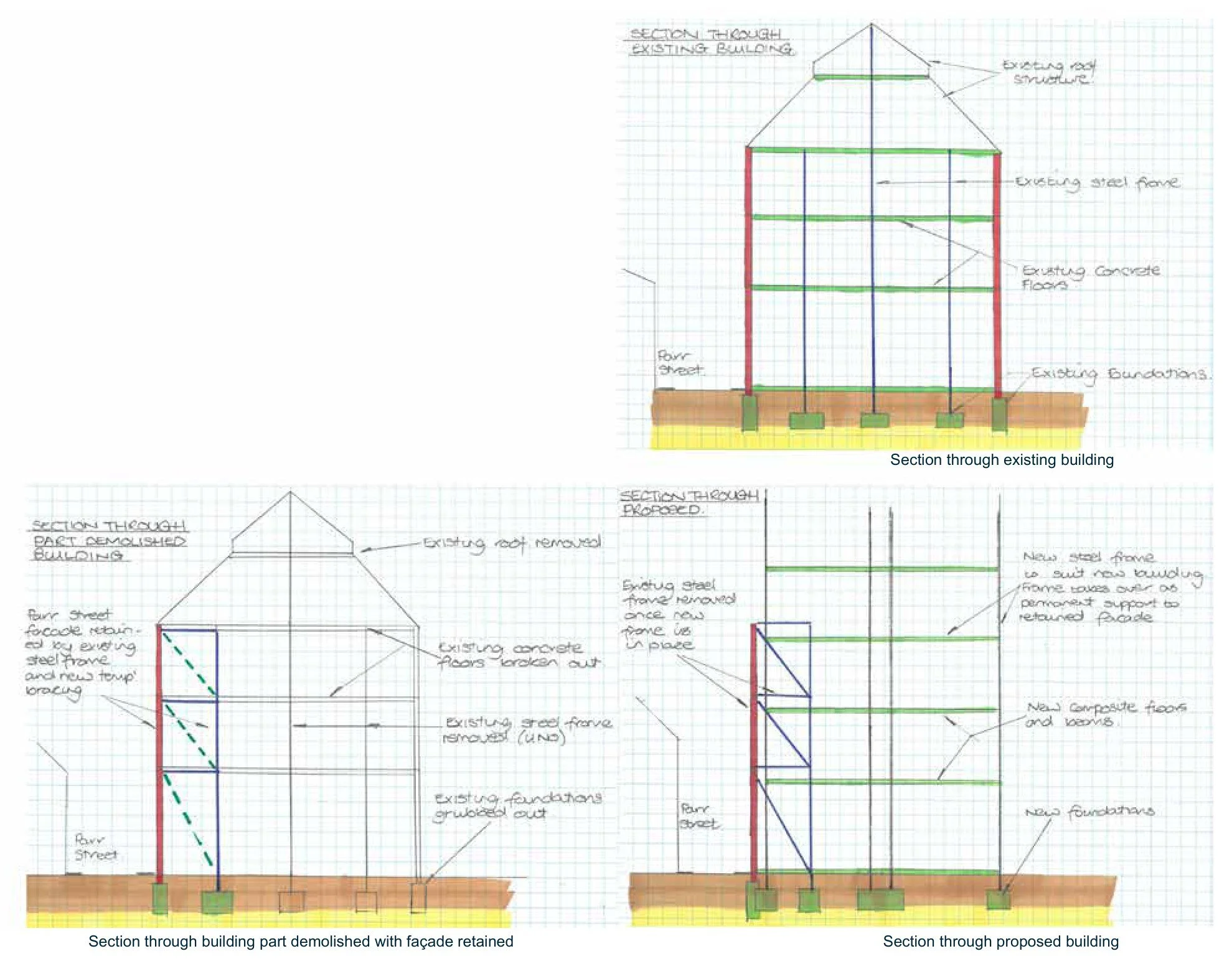
I see this most clearly in projects that involve existing buildings. On Parr Street in Liverpool, the scheme keeps the front of the old Parr Street Studios while the building behind it is renewed. The sequence of that work matters enormously: the facade has to be held by a new frame before anything else is taken away, and every step has to be thought through before it happens. You cannot rush it. If you do, you lose the very thing you set out to keep.
Time in the material
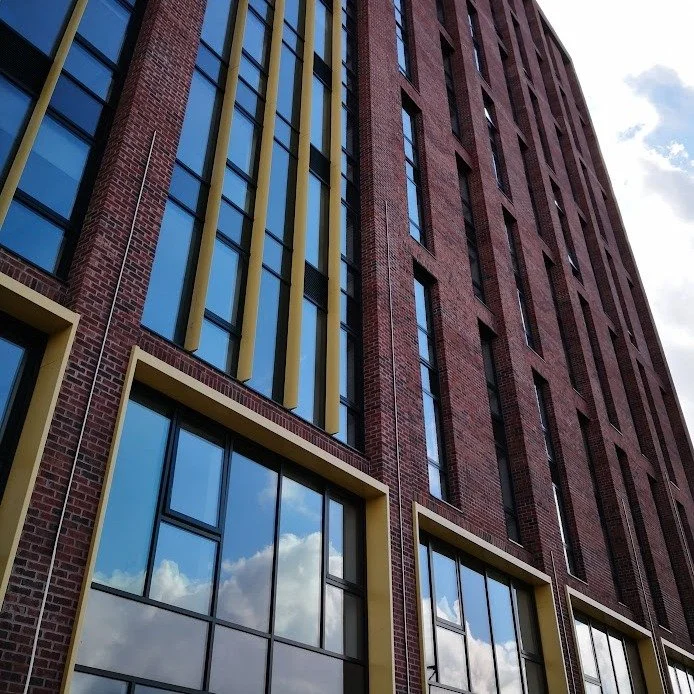
Good buildings also hold time in a different sense. Brick, stone and timber weather and settle. A well-detailed building looks better at twenty years old than on the day it opens. A badly detailed one starts to fail almost immediately. Designing for that kind of time means choosing materials and details that will age well, even when it is cheaper and quicker to choose ones that will not.
A wider patience
My thinking about patience has been shaped as much by faith as by architecture. The tradition I have been studying, including classical works on the inner life such as the Hikam of Ibn 'Ata'illah, returns again and again to the idea that results come in their own time, and that our job is to do the work well and with the right intention rather than to force the outcome. I find that a surprisingly useful way to think about a building project, where so much is outside any one person's control.
It does not mean being passive. It means doing what is in front of you properly, the drawing, the meeting, the detail, and trusting that well-made work adds up. It means not cutting corners because a deadline is close, and not losing heart when a project stalls in planning for a year.
Making space for it
In practice, building slowly in a hurried age means a few simple things. Spend time on the brief before drawing anything. Visit the site more than once, at different times of day. Get the big moves right early and protect them. Draw sections. Argue for the details that will make a building last. And remember that the people who will live in it will be there long after the programme has been forgotten.
Slowness on site
Patience matters on site as much as in the studio. Some of the most important decisions on a building are made during construction: a brick chosen from three sample panels, a junction resolved with the bricklayer, a window position nudged by a few centimetres because the as-built structure is not quite where the drawing said. Those decisions need time and attention, and they need someone who cares enough to be there.
I have learned to protect that time. To visit site regularly, to look at sample panels in daylight rather than on a screen, and to take a day to think about a change rather than answering it from my phone. It does not always make me popular with a busy programme. But it is almost always worth it.
Patience also changes how you treat people. Projects are made by teams: clients, consultants, contractors, planners, neighbours. When things are moving quickly, it is easy to treat each of them as an obstacle. Slowing down a little, listening properly and explaining your thinking clearly usually saves time in the end, because it avoids the misunderstandings that cause delays later.
None of this is new. It is how good buildings have always been made. But it is easy to forget when everything around you is moving quickly, and worth repeating for that reason alone.
Related projectsParr Street · C04/C06 Central Docks